Normal, BCI or MCI?
When memory change deserves a closer look
The phrase benign cognitive impairment (BCI) is sometimes used informally for stable or subjective concerns, but it is not a single universally standardised diagnosis. Clinicians more often distinguish normal ageing, subjective cognitive decline and mild cognitive impairment (MCI).
Often normal ageingSlower recall, preserved function
Occasionally misplacing something or taking longer to retrieve a name can occur with age, especially when tired or stressed. The information often returns later, and everyday independence remains intact.
Subjective or “benign” concernA change noticed, tests may be normal
The person feels less sharp, but brief testing and daily function remain broadly normal. Sleep, mood, medicines, hearing, alcohol and health conditions still deserve review. Persistence or progression should not be dismissed.
Mild cognitive impairmentBeyond expected ageing
Memory or thinking is measurably affected, but independence is largely preserved. MCI is not dementia and does not always progress, but it warrants assessment and follow-up.
Investigate further when
Changes persist or progress; other people notice them; appointments, medicines, bills, navigation, language or familiar tasks become harder; behavior changes; or there are vascular risks, previous stroke, head injury or a strong family history.
What assessment may include
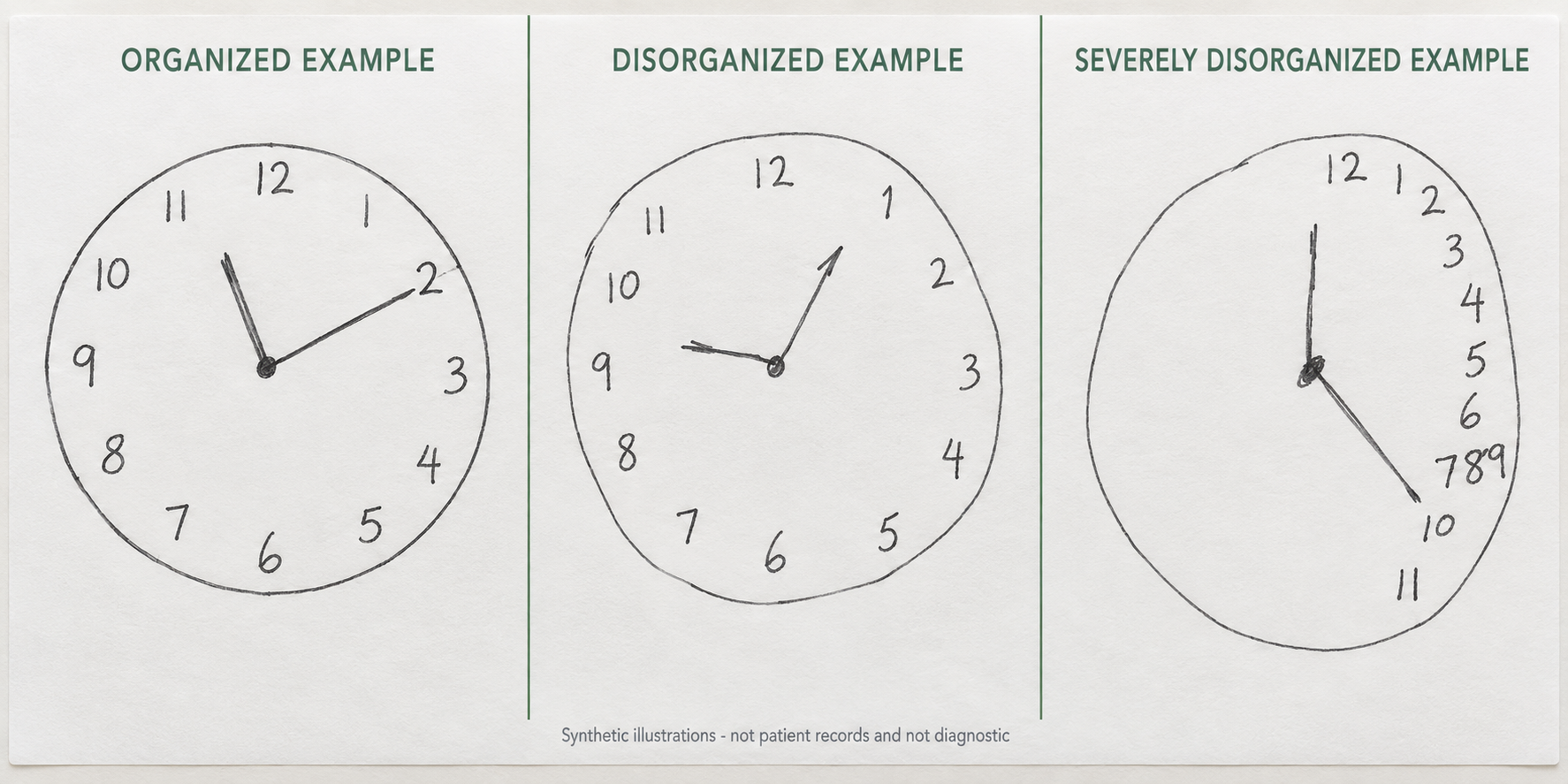
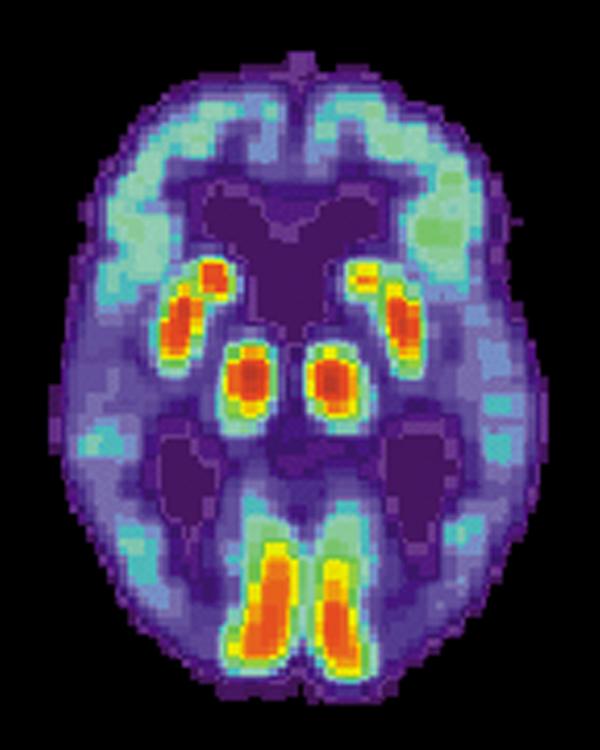
A history from the person and someone who knows them, medication and mood review, neurological examination, validated cognitive testing, blood and urine tests, hearing and vision review, and CT or MRI when clinically appropriate. PET or fluid biomarkers answer narrower specialist questions.
Scan reports can sound more alarming than the clinical reality.
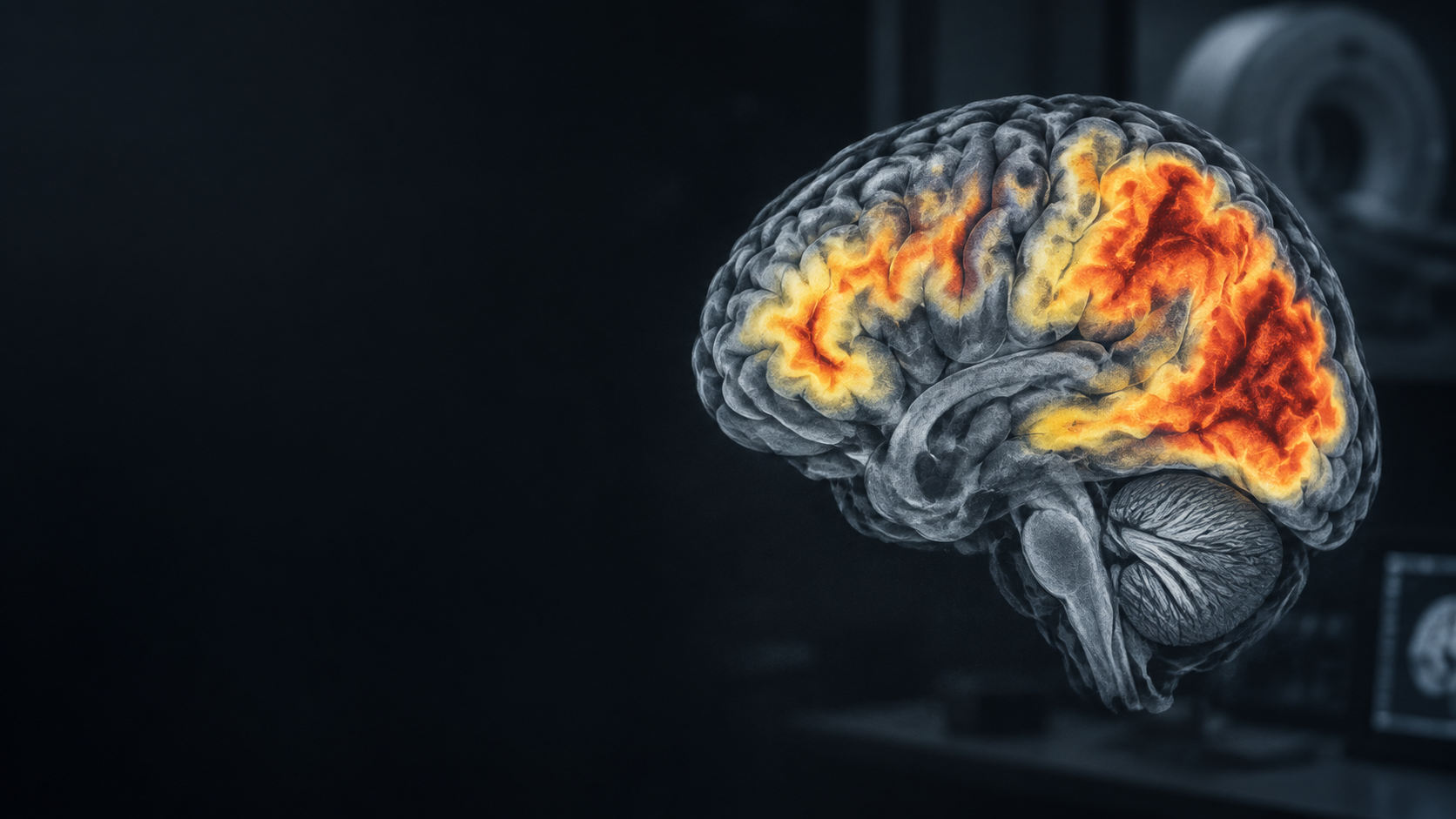
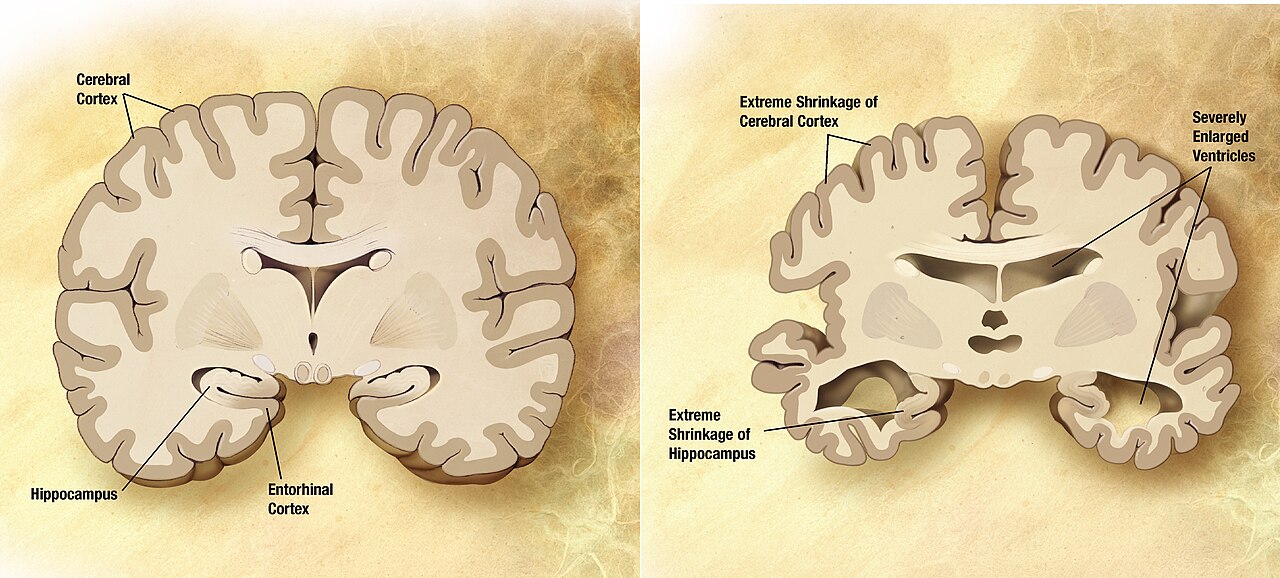
Terms such as cerebral atrophy, volume loss or white-matter change describe appearances, not a diagnosis by themselves. Some degree of volume loss occurs with ageing, and a person may have noticeable changes on imaging without significant cognitive impairment.
The reverse is also possible: CT or routine MRI may look normal or show only mild change while the person has genuine MCI or dementia, particularly early in the illness. The important question is whether the pattern, symptoms, cognitive testing and change in daily function fit together.
Australia: access can shape the pathway.
Without sudden change, focal neurological signs or another urgent concern, imaging is commonly arranged as an outpatient investigation. Public specialist and memory-clinic pathways can involve substantial waits that vary by state, service and location. Private imaging may be faster, but referral rules, Medicare eligibility and out-of-pocket costs vary; MRI often requires specialist involvement for a Medicare rebate.
Sudden confusion, weakness, facial droop, speech difficulty, seizure, severe new headache or rapid decline is not a routine waiting-list problem and needs urgent assessment.
Delirium after surgery or illness is common, but it is never something to simply label “normal.”
Delirium begins suddenly and often fluctuates. Anaesthetic and pain medicines, infection, low oxygen, dehydration, pain, constipation or urinary retention, metabolic disturbance and alcohol or medicine withdrawal are among the causes clinicians should assess promptly.
An episode may resolve when the trigger is treated, but it can also reveal reduced cognitive reserve or previously unrecognised neurological illness. Persistent symptoms deserve follow-up after the acute illness has settled.
CT or MRI is not mandatory for every uncomplicated postoperative delirium. Imaging should be considered urgently with focal neurological signs, head injury, seizure, severe headache, reduced consciousness or suspected stroke or bleeding, and should be reconsidered when delirium remains unexplained or does not improve as expected. The threshold should be especially low after a fall or head impact in someone taking an anticoagulant or other blood thinner.
A confused, delirious or memory-impaired person may be unable to remember or explain an unwitnessed fall or head impact. There may be no scalp bruise or other visible injury. New drowsiness, headache, imbalance, weakness, speech change, vomiting or otherwise unexplained deterioration should increase concern for intracranial bleeding and prompt urgent clinical assessment.
In that situation, an accessible Anonamed profile may help clinicians quickly identify blood thinners, other medicines and medical conditions when the person cannot provide the information themselves. Anonamed is deliberately anonymous for hacking protection and safer public display on a locked phone; it does not store emergency contacts. Named emergency contacts may instead be available through a separately configured device feature such as Apple Medical ID in the Health app, or on a clearly marked note or emergency card kept in the person's wallet. A wallet card can also carry the anonymous Anonamed QR code so responders can reach the medical profile without unlocking the phone. An accessible advance care directive may also communicate treatment preferences and limitations. Clinicians still need to confirm the applicable document and local legal requirements.
This can provide an extra safety layer for people with early dementia or MCI who remain independent and want to go out or travel alone, or who may become separated from a family group, organised tour or cruise excursion. The plan can combine the anonymous medical QR profile with a separate emergency-contact card, current itinerary and agreed check-in arrangements. Anonamed itself is not a location tracker and does not identify the person.
Australian sources: Dementia Australia on MCI, testing and diagnosis, and the Australian Government dementia pathway.